Tulalip Resort Casino Completes Major Three-Year Renovation and Expansion
Written by Viktor Friedrich · Oct 14, 2026

Tulalip Resort Casino Completes Major Three-Year Renovation and Expansion
The Tulalip Tribes in Tulalip, Washington, have finished a three-year renovation and expansion at the Tulalip Resort Casino, which added 400 new slot machines and grew the gaming floor by 35 percent to reach 270,250 square feet. This project marks the largest investment at the property since it first opened in 2003, and reports indicate the work wrapped up in time for coverage in October 2026.
Construction unfolded in phases, with the expansion portion opening in July 2025 and renovation work continuing afterward. The added space brought the total slot count past 2,600 while incorporating new amenities such as the North Bar, an outdoor covered patio, and a gourmet ice cream shop. Design elements throughout draw inspiration from Tulalip Bay and the Salish Sea, reflecting the location and heritage of the operating tribe.
Project Scope and Timeline Details
Workers completed the expansion phase first, which delivered the bulk of the new square footage along with the fresh slot machines and the two new outlets. Renovations to existing areas followed over the subsequent months, allowing the casino to maintain operations throughout most of the period. According to coverage from the HeraldNet, the full scope represents a sustained capital commitment by the Tulalip Tribes that exceeds any prior upgrades at the site.
Observers note that the phased approach minimized disruption while delivering measurable increases in capacity. The gaming floor expansion alone accounts for the 35 percent growth, and the addition of 400 machines pushes the overall inventory well beyond the previous total. Those figures come directly from project announcements tied to the October 2026 reporting period.
New Amenities and Cultural Integration
The North Bar provides an outdoor covered patio option for guests, while the gourmet ice cream shop adds a distinct food-and-beverage offering inside the expanded footprint. Cultural design elements appear throughout the new and renovated spaces, drawing from the natural surroundings of Tulalip Bay and the Salish Sea. These features integrate local motifs and materials that align with the tribal identity of the operators.
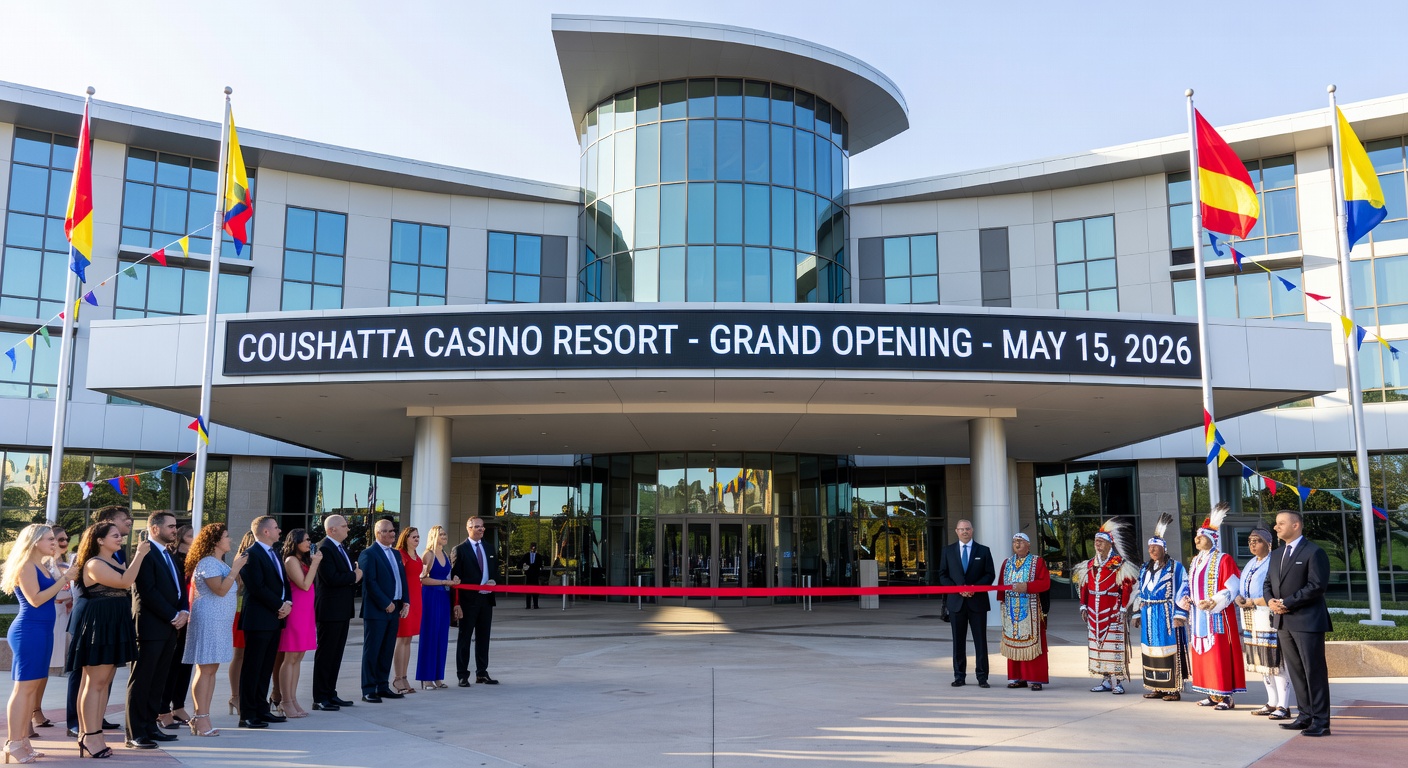
People familiar with the project point out that the cultural references extend beyond decoration and into spatial layout choices that echo the coastal environment. The result connects the physical expansion to the geographic and historical context of the Tulalip Tribes without altering the primary function of the gaming floor.
Context Within Regional Gaming Landscape
The completion of this work positions the Tulalip Resort Casino among other tribal gaming properties that have pursued similar multi-year upgrades in recent periods. Data from industry tracking shows that facility expansions of this scale often coincide with adjustments in machine counts and guest amenities. The Tulalip project specifically emphasizes both capacity growth and aesthetic updates tied to the surrounding Salish Sea region.
Records indicate the casino first opened in 2003, and this latest investment surpasses all previous capital projects at the location. The addition of the North Bar and ice cream shop expands non-gaming options, while the slot increase directly addresses demand for more gaming positions. Coverage published in October 2026 confirms that both the expansion and renovation phases reached completion on schedule.
Conclusion
The Tulalip Resort Casino now operates with more than 2,600 slot machines across a 270,250-square-foot gaming floor following the three-year project. The North Bar, gourmet ice cream shop, and cultural design elements inspired by Tulalip Bay and the Salish Sea form part of the finished product, which the Tulalip Tribes funded as their largest investment since the property opened in 2003. The expansion phase opened in July 2025, with renovations completed afterward, and the full scope received attention in regional reporting during October 2026. Further details appear in the original HeraldNet coverage of the project.